
Buying New Construction in Las Vegas: 7 Things to Know Before You Sign
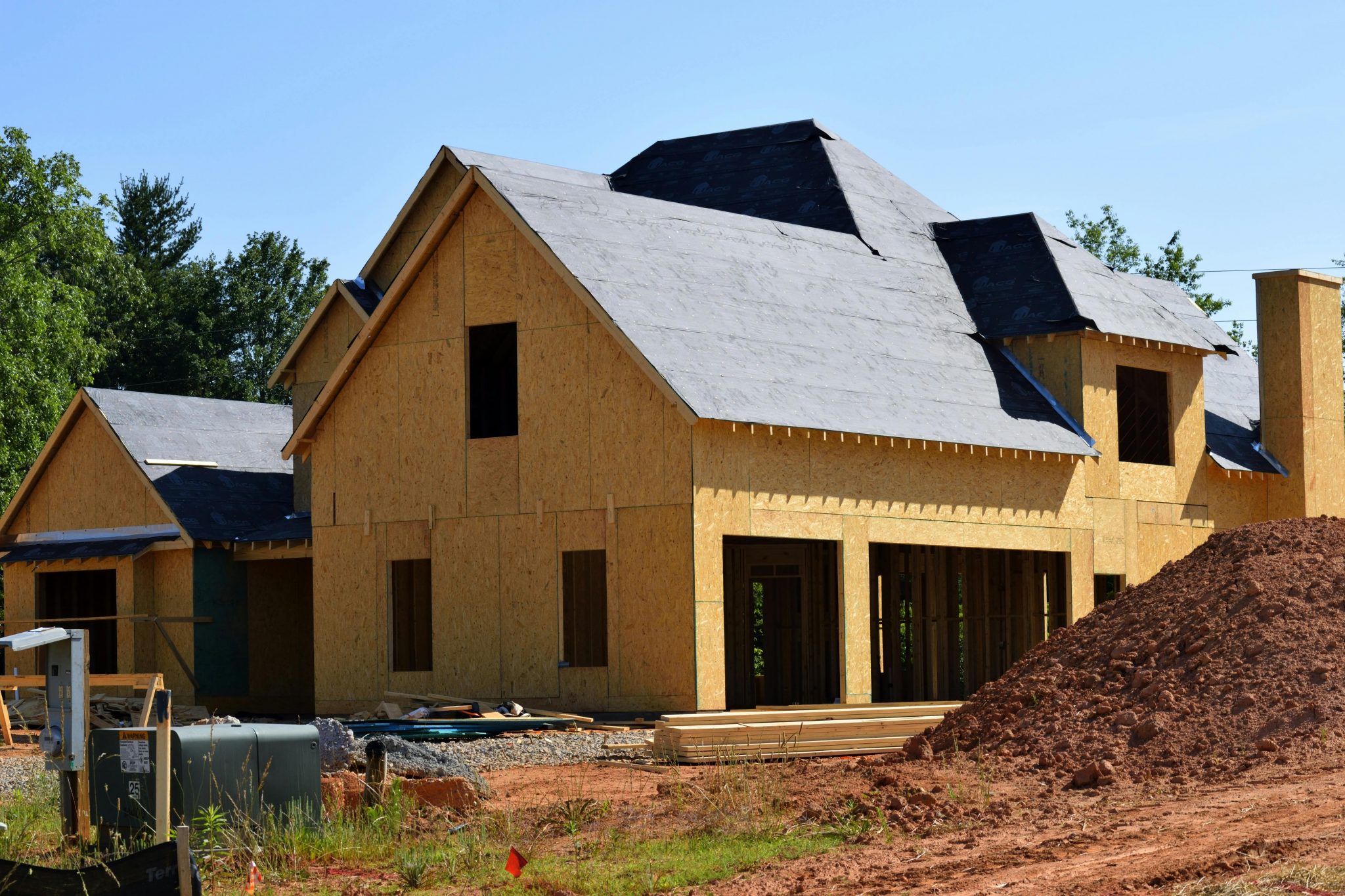
Buying a brand-new home in Las Vegas can be appealing. You may get a modern floor plan, newer energy systems, current finishes, and the ability to choose certain features before construction is complete.
But new construction is not automatically simpler than buying a resale home.
The biggest surprises often come from what is not included in the advertised price, how builder incentives are structured, construction timelines, and assuming a brand-new home does not need an independent inspection.
Before signing a builder contract, here are seven things worth understanding.
Quick Takeaways
-
The advertised base price may be considerably lower than the final price after lot premiums and upgrades.
-
Builder financing incentives can be valuable, but compare the complete loan against outside lenders.
-
New homes can still have construction or workmanship issues.
-
Nevada buyers should ask about SID or other special assessments, not California-style Mello-Roos taxes.
-
Builder completion dates can move, so avoid making housing plans that depend on one exact closing date.
-
Read the builder warranty before closing and understand how repair requests are handled.
1. Understand the Difference Between the Base Price and Your Real Price
The number advertised on a new-home sign or builder website is often the starting price, not necessarily what your finished home will cost.
Depending on the community and home, additional costs can include:
-
Lot premiums
-
Structural options
-
Flooring
-
Cabinets and countertops
-
Electrical upgrades
-
Appliances
-
Window coverings
-
Landscaping
-
Backyard improvements
-
Design-center selections
-
HOA fees
-
Special assessments
A model home can also create unrealistic expectations because models are often heavily upgraded.
Before getting attached to a floor plan, ask the builder for a realistic estimate of what a home configured the way you actually want would cost.
That number is far more useful than the base price.
2. Compare the Builder’s Preferred Lender With Outside Offers
Builders frequently offer incentives for using an affiliated or preferred lender.
Those incentives can be meaningful. They may include closing-cost assistance, interest-rate buydowns, lender credits, or other promotions.
But an incentive does not automatically mean you are getting the least expensive mortgage.
Compare the full offer.
Look at:
-
Interest rate
-
APR
-
Discount points
-
Origination charges
-
Lender credits
-
Cash required at closing
-
Monthly payment
-
Whether a rate buydown is temporary or permanent
The Consumer Financial Protection Bureau recommends comparing Loan Estimates from multiple lenders rather than focusing on one advertised rate or incentive.
You can use the CFPB’s mortgage comparison tools to compare offers on an apples-to-apples basis.
A $15,000 builder incentive sounds attractive, but what matters is what the entire loan costs you.
3. Understand What You Are Buying: Quick Move-In or Built From Scratch
Not every new-construction purchase follows the same process.
Quick Move-In Home
A quick move-in or inventory home is already under construction or completed.
You usually have less ability to customize it, but the completion timeline and final configuration may be easier to understand.
Builders may also have stronger incentives on completed inventory they want to sell.
To-Be-Built Home
A to-be-built home gives you more opportunity to choose structural options and finishes.
The tradeoff is a longer timeline and greater exposure to construction delays, material issues, subcontractor scheduling, and design decisions.
Neither is inherently better.
If timing is important, an inventory home may deserve a closer look even if you give up some customization.
4. Get Your Own Inspection
A brand-new home can still have problems.
Municipal inspections focus on building-code compliance. The builder also has its own quality-control process.
Neither is the same as having an independent inspector evaluate the home from the buyer’s perspective.
Depending on the builder and stage of construction, buyers may consider inspections such as:
-
Pre-drywall inspection
-
Pre-closing inspection
-
Reinspection after repairs
-
Warranty inspection before the applicable warranty period expires
Ask the builder early about when independent inspections are permitted. Do not wait until the house is essentially finished to find out.
Small issues are often easier to address before closing than after furniture and boxes are already inside.
5. Ask About HOA Fees and Nevada Special Assessments
One correction to older Las Vegas new-construction advice is important:
Mello-Roos is associated with California. It is not the standard special-assessment structure you should be asking about when buying in Southern Nevada.
In Clark County, buyers may encounter a Special Improvement District, or SID, or another applicable local assessment.
SIDs can be used to fund infrastructure such as streets, sidewalks, lighting, sewer, and water improvements. A remaining assessment can be attached to the property and billed separately from regular property taxes.
Clark County explains how these assessments work in its official Special Improvement District guide.
Before purchasing, ask:
-
Is there an SID or other special assessment?
-
What is the remaining balance?
-
How often is it billed?
-
When will it be paid off?
-
Are there HOA dues?
-
Are there multiple HOA or community assessments?
-
What other recurring community charges should I expect?
Do not evaluate affordability using the mortgage payment alone.
6. Read the Builder Warranty Before You Need It
New construction comes with warranties, but buyers should understand exactly what those warranties cover and how claims are submitted.
Nevada law requires a builder completing a new single-family residence to provide a written builder warranty meeting certain minimum requirements.
That does not mean every cosmetic concern or future repair will automatically be covered indefinitely.
Before closing, find out:
-
How long the builder warranty lasts
-
What systems and workmanship it covers
-
How warranty claims are submitted
-
Which items have separate manufacturer warranties
-
What documentation you should keep
-
Whether there is a scheduled warranty walkthrough
Keep inspection reports, photographs, builder correspondence, contracts, upgrade selections, and warranty documents together.
You may need them months after closing.
7. Assume the Completion Date Can Move
This is one of the most practical lessons in new construction.
A builder may provide an estimated completion date, but construction schedules can change because of inspections, labor, materials, utilities, permitting, weather, or other factors.
That can create a problem if you:
-
Sell your current house too early
-
Give notice on a rental based on the original estimate
-
Schedule movers too aggressively
-
Arrange school or work transitions around one exact date
-
Lock yourself into nonrefundable temporary accommodation
Try to maintain some flexibility until the closing date becomes reasonably firm.
For buyers relocating to Las Vegas, this can be especially important because you may be coordinating a home sale, job start, movers, and construction at the same time.
If you need a place between homes, a furnished monthly rental in Las Vegas or Henderson can provide a temporary landing place without requiring you to move furniture twice.
A Few Questions to Ask Before Signing the Builder Contract
Before committing, make sure you can answer these:
-
What is included in the base price?
-
What lot premium applies?
-
Which upgrades are structural and which can be done later?
-
What incentives are currently available?
-
Do incentives require the builder’s lender or title company?
-
Are there HOA fees or special assessments?
-
Can I use an independent home inspector?
-
What is the estimated completion window?
-
What happens if construction is delayed?
-
What warranty will I receive?
-
What deposits become nonrefundable?
-
What happens if my financing changes before completion?
You do not need to become a construction expert.
You just want to know where the expensive surprises could be.
Should You Wait for Your New Las Vegas Home in Temporary Housing?
Sometimes.
If your current home closes before your new one is ready, or you are relocating before construction is complete, temporary housing can prevent you from making another long-term housing commitment simply to fill the gap.
The key is flexibility.
One thing we frequently see with people waiting on homes is that a projected completion date can move more than once.
702 Housing provides furnished monthly rentals in Las Vegas and Henderson for stays of 31 days or longer. Furniture, kitchenware, utilities, high-speed internet, and laundry are already in place, which can make the transition between homes considerably easier.
You can browse current furnished rental availability if you need housing while your new home is being completed.
New Construction Home Buying FAQ
Are builder incentives worth using?
They can be. Builder incentives may reduce closing costs or financing expenses, but compare the entire mortgage with outside lenders rather than evaluating the incentive by itself.
Should I inspect a brand-new home?
An independent inspection can identify workmanship or installation issues that may not be obvious during a normal walkthrough. Ask your builder when independent inspections are permitted during construction.
What is an SID in Las Vegas?
A Special Improvement District can finance public infrastructure improvements, with benefiting property owners responsible for assessments. Whether a particular property has an SID depends on its location.
Does Las Vegas have Mello-Roos?
Mello-Roos is a California financing structure. In Southern Nevada, buyers should instead investigate SIDs, other applicable special assessments, HOA dues, and property-specific charges.
Can a Las Vegas new-home completion date be delayed?
Yes. Builder schedules are estimates and can change during construction. Avoid making plans that depend entirely on an estimated completion date until the builder can provide greater certainty.
Should I use the builder’s mortgage company?
You can consider it, especially when meaningful incentives are offered, but you should still compare Loan Estimates from other lenders to understand the complete cost of each mortgage.
Buy the House, Not the Model-Home Experience
New construction can be a great way to buy a home in Las Vegas.
Just approach it differently from walking through a beautiful model and choosing a floor plan.
Understand the real finished price. Compare financing. Investigate assessments. Inspect the home. Read the warranty. And leave some room in your moving timeline.
The goal is not to make the process complicated.
It is to make sure the home you are excited about on signing day still feels like a good decision when you finally receive the keys.
If the construction schedule leaves you between homes, you can view current 702 Housing furnished rentals for flexible monthly options while you wait.